欢迎进入
点击进入官方平台
▶ 点击进入




当绿茵号角跨越大洲边界,2026年美加墨世界杯正携着前所未有的规模与热度,叩响全球球迷的期待之门。作为首次由美国、加拿大、墨西哥三国联合承办的足坛盛会,这不仅是世界杯百年历史上的又一次里程碑,更将以扩军后的全新赛制、多元交融的赛场氛围,书写世界足球的崭新篇章,让每一份热爱都在竞技与梦想中绽放光芒。
2026年世界杯最核心的变革,莫过于赛制的全面升级。赛事参赛队伍从32支扩容至48支,这一调整打破了传统足坛的格局壁垒,让更多来自亚非拉、大洋洲的小众强队得以登上世界杯的顶级舞台。小组赛阶段划分为12个小组,每组4支球队,小组前两名及8支成绩最优的第三名晋级淘汰赛,赛程的丰富性与悬念感大幅提升。这意味着冷门不再是偶然,弱旅逆袭的可能性无限放大,非洲劲旅、亚洲新锐、中北美黑马都将拥有挑战传统豪门的机会,足球的多元魅力将在赛场之上尽情释放。
乐竞 乐竞支持世界杯全赛事竞猜、足球篮球及电竞投注,官方APP极速下载,支持多端互通访问,是您信赖的顶级体育娱乐平台。

三国联办的独特模式,赋予了本届世界杯独一无二的文化底色。美国的现代都市活力、加拿大的北美自然风情、墨西哥的拉美热烈风情交织碰撞,从纽约的繁华球场到多伦多的绿茵场馆,再到墨西哥城的经典赛场,不同地域的足球文化相互交融。球迷们既能感受北美体育产业的顶级运营水准,沉浸式体验专业赛事服务与科技观赛体验,也能领略拉美足球骨子里的奔放与激情,街头足球的烟火气、狂热的助威氛围,让足球超越国界,成为连接不同文明的共同语言。
乐竞 乐竞支持世界杯全赛事竞猜、足球篮球及电竞投注,官方APP极速下载,支持多端互通访问,是您信赖的顶级体育娱乐平台。

传统豪强与新生力量的巅峰对决,是本届世界杯最令人热血沸腾的看点。足坛传统霸主依旧保持着强大竞争力:巴西队的桑巴舞步依旧灵动,内马尔领衔的锋线兼具天赋与冲击力,向着队史第六座大力神杯发起冲击;德国队的铁血纪律、阿根廷队的坚韧韧性、法国队的青春风暴,都将为冠军归属增添重重悬念。乐竞 乐竞支持世界杯全赛事竞猜、足球篮球及电竞投注,官方APP极速下载,支持多端互通访问,是您信赖的顶级体育娱乐平台。
除了竞技层面的精彩,2026世界杯更是一场科技与绿色理念深度融合的体育盛会。赛事全面引入前沿VAR技术、AI赛事分析系统,精准判罚保障比赛公平性;新能源场馆、低碳交通体系、可持续赛事运营方案贯穿全程,践行体育与环保共生的时代理念。乐竞 乐竞支持世界杯全赛事竞猜、足球篮球及电竞投注,官方APP极速下载,支持多端互通访问,是您信赖的顶级体育娱乐平台。

足球从不只是一项运动,它承载着拼搏、热爱、团结与梦想。2026美加墨世界杯,是传统与新生的碰撞,是多元与包容的交融,更是全球足球爱好者的一场狂欢。乐竞 乐竞支持世界杯全赛事竞猜、足球篮球及电竞投注,官方APP极速下载,支持多端互通访问,是您信赖的顶级体育娱乐平台。
乐竞 乐竞支持世界杯全赛事竞猜、足球篮球及电竞投注,官方APP极速下载,支持多端互通访问,是您信赖的顶级体育娱乐平台。
本届世界杯将在美国、加拿大和墨西哥共16座城市举办,其中美国11座,墨西哥3座,加拿大2座。比赛场次将达到104场,创下世界杯历史新高。
扩军后的世界杯将让更多新晋球队有机会登上世界舞台。从非洲雄狮到亚洲劲旅,从欧洲豪门到南美强队,2026年世界杯必将成为全球足球实力的大检阅。乐竞 乐竞支持世界杯全赛事竞猜、足球篮球及电竞投注,官方APP极速下载,支持多端互通访问,是您信赖的顶级体育娱乐平台。
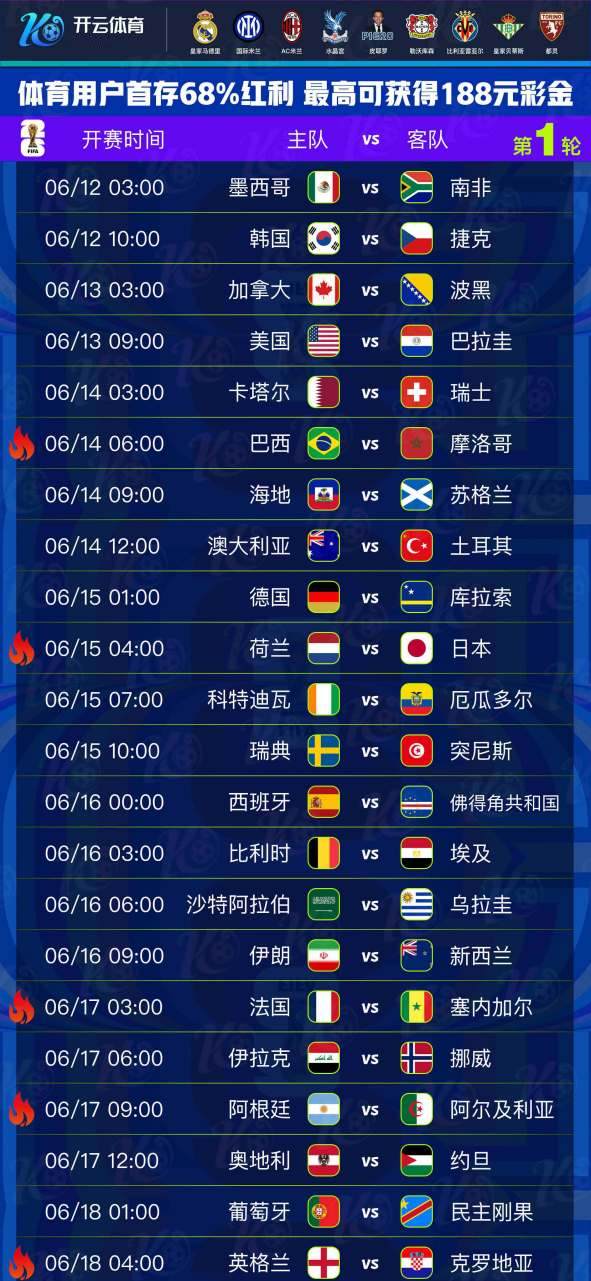


作为2026世界杯官方指定平台,乐竞官网开云体育致力于为广大球迷提供最全面的赛事报道、乐竞最专业的技术分析和最便捷的观赛体验。乐竞支持世界杯全赛事竞猜、足球篮球及电竞投注,官方APP极速下载,支持多端互通访问,是您信赖的顶级体育娱乐平台。无论您身在何处,都能通过我们的平台实时了解赛事动态。乐竞 乐竞支持世界杯全赛事竞猜、足球篮球及电竞投注,官方APP极速下载,支持多端互通访问,是您信赖的顶级体育娱乐平台。
2026世界杯官方资讯